







Search Results for: Coffee Cherries
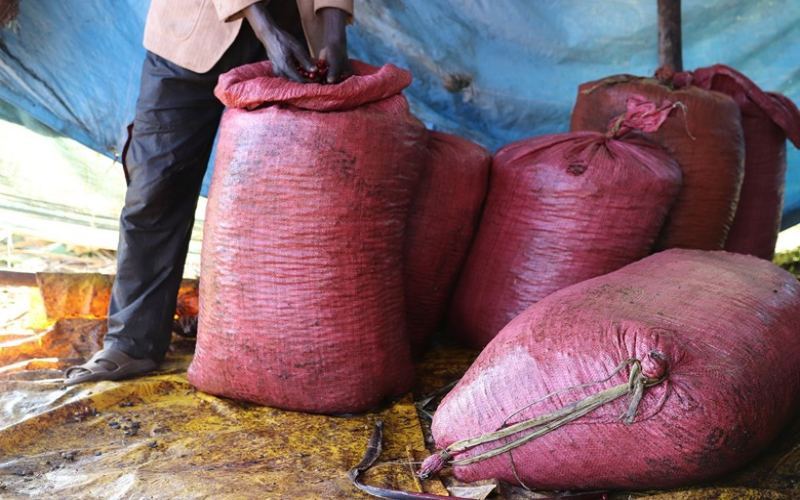
How Coffee Cherries Are Harvested: Hand-Picking, Floatation, and Defective Beans
The refinement of specialty coffee often begins the moment it is harvested. In the same coffee field, the difference in final flavor between careful harvesting and careless harvesting may be even greater than that of roasting. How are coffee cherries picked one by one? Why must defective beans be removed? This article takes you into the scene of harvesting and grading. Handmade [more…]
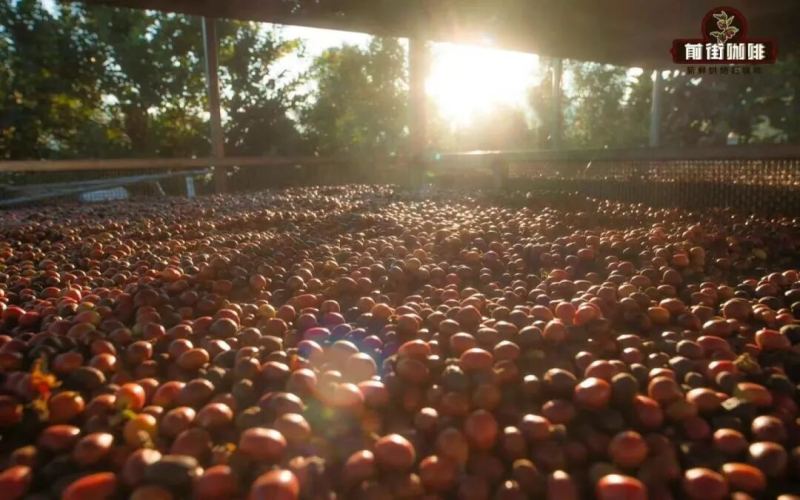
Coffee Processing Methods | What is the difference between semi-washed, natural, washed, and honey processing? What flavor and mouthfeel characteristics do different processing methods give coffee?
The natural process, as the name suggests, is to spread the harvested coffee cherries flat on the ground (on dedicated drying nets or patios) and use direct sunlight (for about 2-3 weeks) to remove moisture from the coffee fruit until the moisture content reaches the target level, after which machines are used to remove the dried husk to obtain the green coffee beans we want. Natural process [more…]
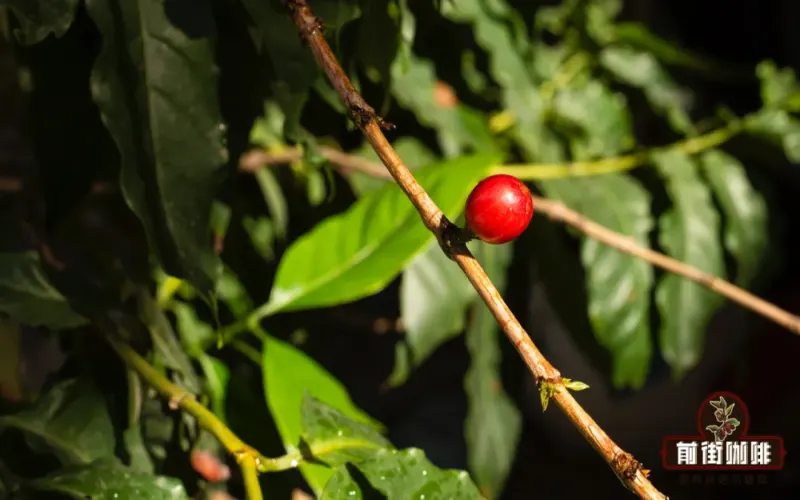
What Is Whole-Ripe-Cherry Picking? How the Red Cherry Project Drives Quality Improvement in Specialty Coffee
In coffee bean promotions, we often see phrases like "all-red cherry sun-dried," but all-red cherry is not actually the name of a processing method; rather, it refers to the practice of picking coffee cherries when they are fully red. So why is all-red cherry picking so important? What story of industrial transformation lies behind it? This article will analyze, from the perspective of Front Street, the impact of all-red cherry picking on coffee quality, review the evolution of harvesting methods in the early days of specialty coffee, and introduce the "Red Cherry Project" launched in 2007 by the Dutch green bean trader Trabocca, examining how it broke the vicious cycle between coffee farmers and green bean traders by raising the purchase price for high-quality coffee, ultimately achieving a win-win-win for farmers, merchants, and consumers. [more…]
Post-Harvest Processing of Coffee Cherries: Dry and Washed Method Workflow Characteristics and Hulling & Screening Analysis
Coffee cherries must be processed quickly after picking, otherwise the pulp is prone to fermentation and spoilage. Currently, two main methods are used: the dry method (natural process) and wet processing (washed method). In the dry method, the cherries are sun-dried directly or mechanically dried, then hulled in a drum and screened, with peaberries picked out separately; in wet processing, the fruit pulp is first washed off, then the beans are fermented in water for 36 hours, dried and hulled, and graded and packaged by size. Usually, washed beans are of better quality. Whether by hand or machine, screening can remove unripe and inferior beans, and high-quality producing countries have long been equipped with advanced sorting equipment. Front Street Coffee reminds you that understanding these steps helps you appreciate the flavor differences brought by different processing methods. [more…]
The Path to Refinement for Specialty Coffee Beans: Key Processes from Branch Red Cherry to Aromatic Cup
For a coffee bean to become specialty coffee is by no means easy. From variety, origin, microclimate, to the careful cultivation by the coffee farmer, every step affects the final flavor. But even if plump red cherries are produced, not every single one can advance to become specialty coffee. Picking, judging ripeness, removing defects, and green bean processing—no stage can be missing. This article takes you through the complete journey of this magical fruit, seeing how it goes from branch to cup, and helping you better understand how hard-won that cup of coffee in your hands really is. [more…]

A Complete Guide to Natural and Washed Coffee Processing: Step-by-Step Procedures, Flavor Differences, and Green vs. Roasted Bean Comparison
When buying coffee beans, the packaging often indicates processing methods such as natural, washed, and honey. What exactly is the difference between natural and washed? Front Street Coffee takes you through the structure of the coffee fruit to explain in detail the specific steps, advantages and disadvantages, and flavor characteristics of the two processing methods. It also uses two Yirgacheffe coffees—Front Street Natural Red Cherry and Washed Gudingding—to compare the silver skin differences between green beans and roasted beans, and to analyze the fermented sweetness of natural beans and the bright cleanliness of washed beans. Only by understanding processing methods can you better choose the flavor you love. [more…]

Yirgacheffe Coffee Region | Why Are Most Ethiopian Coffee Beans Washed? Recommended Newbie-Friendly Light Roast Pour-Over Coffee Beans
High-value Yirgacheffe recommendation. Front Street Coffee washed Yirgacheffe coffee beans. Region: Ethiopia Yirgacheffe. Altitude: 2300 meters. Variety: heirloom. Processing method: washed. Flavor notes: lemon, citrus, tea-like, honey, berry. Recommended because: classic Yirgacheffe flavor, affordable price, can be brewed [more…]
Comparison of the Two Major Coffee Green Bean Processing Methods: Analysis of the Step-by-Step Processes and Flavor Characteristics of the Natural Method and the Washed Method
The processing method of coffee cherries directly affects the flavor expression of green beans, and among these, the natural process and the washed process are the two most representative techniques. The natural process originated in the Arabian region over a thousand years ago, relying on natural drying to allow the fruit to slowly mature internally; the washed process was invented by the Dutch in the 18th century, using fermentation to remove the mucilage layer and thereby improve the bean's cleanliness. The two differ noticeably in operational steps, suitable environments, and final cupping performance, and understanding these differences helps in more accurately selecting and tasting coffee. This article will separately outline the complete processing flows of the natural process and the washed process, and explain the flavor characteristics each brings. [more…]
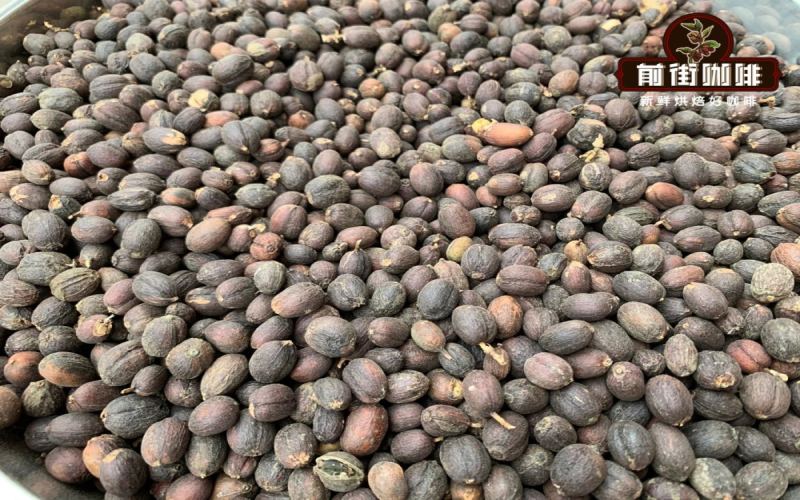
How Do Natural, Semi-Natural, Washed, and Honey Processing Differ? Analyzing the Flavor and Mouthfeel Characteristics of Natural Coffee Beans
The processing method of green coffee beans directly influences the flavor profile of the final cup. As the oldest and least expensive processing technique, the natural process spreads whole coffee cherries out to dry, giving the beans a rich sweetness and fruity character; the washed process removes the skin and pulp before drying, producing a clean acidity; Brazil has found a balance between water conservation and quality in the semi-washed process; and the honey process leaves the mucilage on the beans during drying, bringing a fresh and full-bodied tropical fruit flavor. This article will compare the technical details, advantages and disadvantages, and corresponding cup profiles of these four processing methods one by one, while also introducing several representative beans from Front Street Coffee that correspond to each process. [more…]
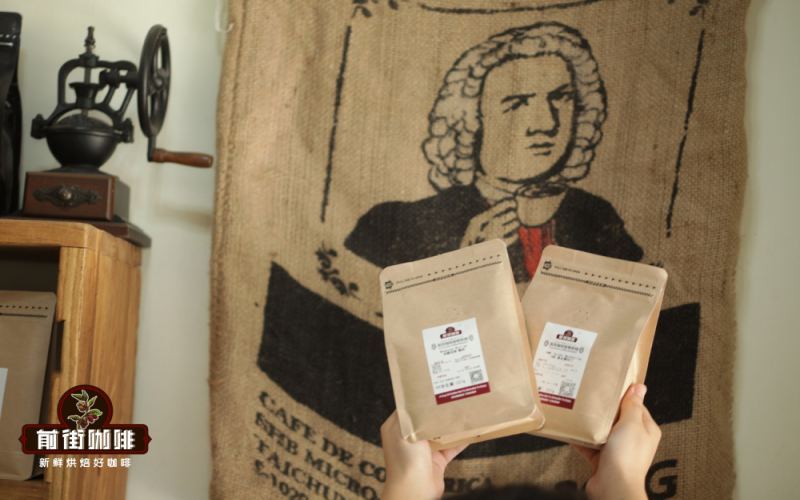
Costa Rica Tarrazú Canet Estate Musician Series: Raisin Honey Processing and Flavor Analysis of Bach and Other Lots
Costa Rica is known for its coffee with outstanding sweetness, mild body, intense flavor, and bright acidity, which is inseparable from its unique honey processing methods. Among them, the Musician Series from Canet Estate in the Tarrazu region is particularly special—the estate owner named the coffees based on the flavor profiles and the temperaments of classical musicians, and Front Street Coffee believes that the flavor variations of each bean are like dancing musical notes. This article will introduce one by one the origin information and flavor performance of four beans—Mozart, Bach, Beethoven, and Chopin—and provide an in-depth analysis of the complete raisin honey processing flow, the characteristics of the Caturra and Catuai varieties, Costa Rica's altitude classification system, and the eight steps of the washed processing method, taking you through a comprehensive understanding of this estate's story that integrates coffee and music. [more…]
Ethiopian Yirgacheffe Natural Red Cherry Coffee Beans: Full Breakdown of Flavor Profile, Roast Curve, and Origin
The Yirgacheffe region is renowned for its bright, fresh citrus and lemon acidity, but it is not only washed beans that deserve attention here. The Yirgacheffe Natural Red Cherry coffee beans launched by Front Street Coffee have won the favor of many coffee lovers with their complex flavors of berries, lemon, strawberry, and fermented wine aroma. This bean originates from the Aricha Estate, at an altitude of 2,300 meters, and is naturally processed. Its name is tied to the Red Cherry Project initiated in 2007 by a Dutch green bean merchant. From the perspective of Front Street Coffee, this article will systematically sort out the bean's origin background, the operating logic of the Red Cherry Project, and the natural processing workflow, while also sharing Front Street's roasting recommendations, cupping report, and pour-over parameters, helping coffee enthusiasts gain a comprehensive understanding of this Ethiopian specialty coffee that combines aroma and sweetness. [more…]

Yirgacheffe Flavor Analysis and Beginner Bean Guide: Washed vs. Natural Processing Differences and Front Street Recommendations
Yirgacheffe is Ethiopia's most representative specialty coffee region, known for its bright jasmine aroma and citric acidity. This article systematically reviews Yirgacheffe's terroir, the characteristics of its native heirloom varieties, the process differences between the two major processing methods of washed and natural, and the role of the Red Cherry Project in driving quality improvement. It also combines specific information on three everyday beans—Front Street Coffee's washed Yirgacheffe, the Gedeb Cooperative, and the natural Red Cherry—to provide a one-stop introductory reference from flavor identification to V60 brewing parameters, helping coffee enthusiasts build a complete cognitive framework for Yirgacheffe. [more…]

Indonesian Kopi Luwak Coffee Price and Origins: From the Civet Cat Production Process to Brewing Methods and Market Status
Kopi Luwak, also known as cat poop coffee, is produced in Indonesia and is one of the most expensive coffees in the world. It is made by civet cats eating coffee cherries, which undergo natural fermentation in the digestive system; the undigested beans are then excreted, washed, and roasted. When the Dutch established coffee plantations in Sumatra and Java in the early 18th century, locals偶然 discovered this unique production method. Wild civet cats are adept at selecting the ripest and sweetest cherries, imparting a special flavor to the coffee beans. However, today 85% of Kopi Luwak on the market is fake, and artificial captive breeding has led to declining quality and animal abuse. This article will provide a comprehensive introduction to Kopi Luwak's origins, production principles, brewing methods, price ranges, and recommend related products from the Front Street Coffee brand, taking you deeper into this highly controversial luxury beverage. [more…]
Analysis of the Pros and Cons of Kopi Luwak for the Body, Its Authentic Flavor and Taste Characteristics, and Front Street Brewing Recommendations
Kopi luwak has always been one of the most talked-about beans in the coffee world, and the controversy surrounding it never ceases. Some people are curious about how it was first discovered, some care about the benefits and drawbacks of drinking it, and others question whether the way it is obtained is too cruel. In this article, Front Street Coffee will sort through the history of kopi luwak, the source of its flavor, the true principles of in-body fermentation processing, and share Front Street's understanding of this bean along with brewing plans. Whether you are driven by curiosity or a genuine desire to understand it, you will be able to gain a relatively objective view from this, while also providing those who want to try it with a set of practical reference data. [more…]

The Red Cherry Project and the Flavor Story of Yirgacheffe Natural Beans, Plus Pour-Over Parameter Analysis
In the specialty coffee world, "Red Cherry" has become synonymous with high-quality Ethiopian beans. The name comes from the appearance of ripe coffee cherries, which closely resemble cherries, and behind it is Operation Cherrie Red, initiated by the Dutch company Trabocca, aimed at encouraging smallholder farmers to harvest only fully ripe cherries to improve flavor. This article will guide you through the origins, operating mechanism, and covered producing regions of the Red Cherry project, and focus on the flavor performance of Front Street Yirgacheffe Natural Red Cherry coffee beans—from light roast notes of peach, cocoa, honey, and lemon, to the fermented fruit aromas and citrus sweetness of medium-roast SOE, along with recommended pour-over extraction parameters and brewing techniques. [Image 1] [more…]

A Complete Guide to Guatemalan Coffee Regions: Flavor Differences Between Antigua and Huehuetenango and Buying Advice
Guatemala is an important specialty coffee-producing country in Latin America, known for its bright fruit acidity and distinctive smoky note, and is called "cigarette coffee" by coffee lovers. This article systematically reviews Guatemala's coffee-growing history, the flavor characteristics of its eight major regions, grading standards, processing methods, and main varieties, with a key comparison of the differences between the two well-known regions of Antigua and Huehuetenango. It also introduces Front Street Coffee's Guatemala Huehuetenango staple beans and Antigua La Flor coffee beans currently on sale, with roasting curves and brewing parameters, providing a reference for coffee fans when purchasing and brewing. [more…]
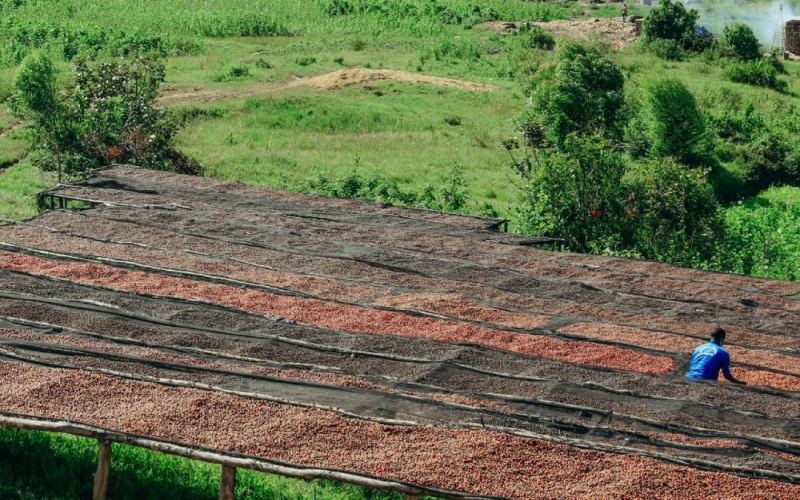
How the Red Cherry Project Rewrote the Quality Logic and Flavor Landscape of Ethiopian Yirgacheffe
Ethiopia is the birthplace of Arabica coffee, and Yirgacheffe is one of the most proud producing regions of this country. The specialty coffee produced here often does not cling to variety classification, but instead uses origin information and processing method as the core criteria for identification. Front Street Konga Red Cherry is a classic single-origin coffee from Yirgacheffe, presenting a flavor interwoven with berries, honey, black tea, and fermented notes through a refined natural process. This article begins with the harvesting method of coffee cherries, traces back to the Red Cherry project initiated in 2007 by the Dutch green bean merchant Trabocca, and analyzes how it broke the old cycle of "valuing weight over quality," promoted Ethiopian coffee toward specialization through fully manual picking of all-red cherries, small-batch production, and high cupping thresholds, and profoundly influenced the quality expression of producing regions such as Yirgacheffe. [more…]
Honey-Processed Coffee Beans: Flavor and Processing Explained — How They Differ from Natural and Washed
Honey processing is one of the three major coffee processing methods, and it is especially prevalent in Central America. It was invented by Costa Rican coffee farmers because of the inconvenience of mountain transportation and the high cost of washed processing, and by retaining mucilage it gives coffee a more pronounced sweetness and delicate aroma. This article systematically reviews the origin of honey processing, the complete process, the classification standards for yellow, red, and black honey, as well as its advantages, disadvantages, and flavor risks. It also introduces two derivative methods, anaerobic honey processing and raisin honey processing, and uses Front Street Coffee's Costa Rica Musician Series Mozart and Bach as examples to show the specific flavor differences of different honey processing methods in the cup. [more…]
A Complete Analysis of the Real Price and Flavor Characteristics of Jamaican Blue Mountain Coffee Beans
A genuine cup of Blue Mountain coffee often costs three figures, but not all beans labeled "Blue Mountain" can brew the flavor they should. The preciousness of Blue Mountain coffee stems from the perfect combination of beans and processing techniques. This article provides a comprehensive analysis of the true face of Jamaican Blue Mountain coffee from the perspectives of market status, price differences, origin certification, and tasting standards, and introduces Front Street Coffee's understanding and recommendations regarding Blue Mountain flavor. [more…]
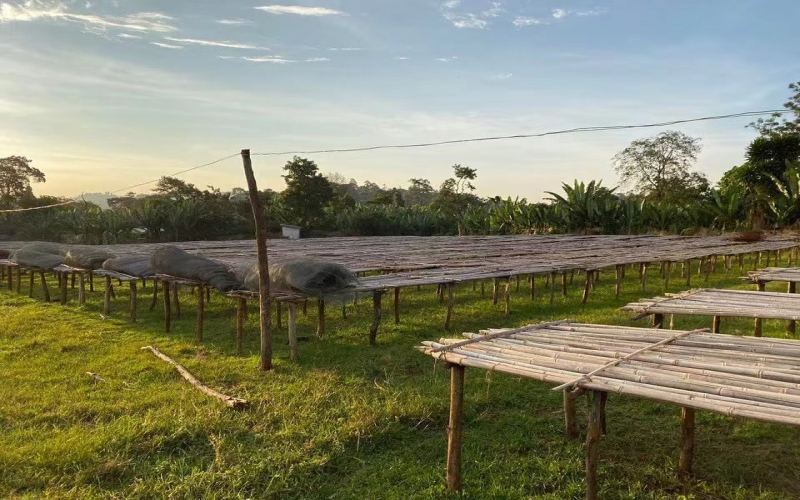
Detailed Comparison of Natural and Washed Processing Methods for Yirgacheffe: Flavor and Mouthfeel Contrast, with a Front Street Coffee Worka Red Cherry Recommendation
The Yirgacheffe region in Ethiopia is synonymous with specialty coffee, and the two processing methods—washed and natural—give coffee beans截然不同的 flavor profiles. Washed Yirgacheffe is known for its clean, fresh character and bright acidity, while natural Yirgacheffe stands out with its juicy body and pronounced sweetness. This article starts with Front Street Coffee's Worka Cooperative washed beans and Red Cherry natural beans, offering a detailed analysis of the process flows, flavor differences, and roasting and brewing recommendations for both processing methods, helping coffee enthusiasts gain a comprehensive understanding of Yirgacheffe's allure. [more…]